
Disease Ecology and Environmental Health
Disease Ecology and Environmental Health
Caves support a wide range of wildlife and play an important role in maintaining biodiversity. They also host complex microbial communities that remain poorly understood. Among these are fungal pathogens that may pose health risks under certain environmental conditions.
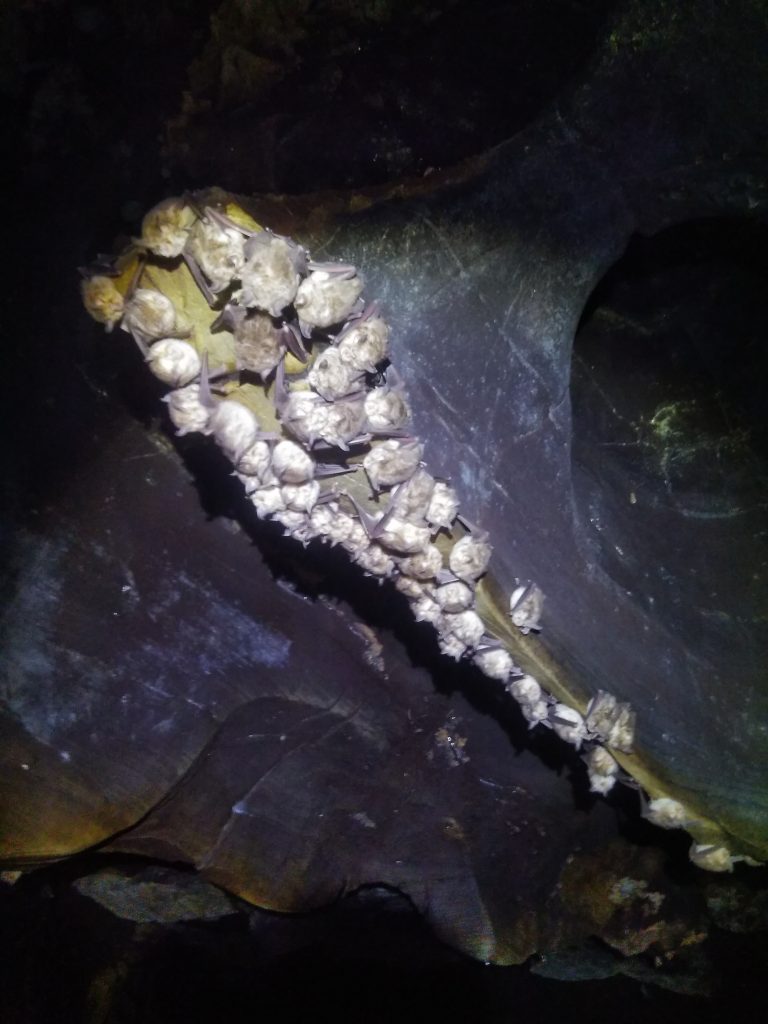
One of the most significant cave-associated pathogens is Histoplasma capsulatum, the fungus responsible for histoplasmosis. This respiratory disease is commonly associated with environments containing accumulations of bat guano. The fungus thrives in dark, humid and nutrient-rich conditions and can become airborne when contaminated soil or guano is disturbed.
Activities such as cave exploration, ecological research, archaeology, guano collection and tourism may increase the likelihood of exposure. While many infections are mild or asymptomatic, histoplasmosis can cause serious illness in some individuals, particularly those with weakened immune systems or prolonged exposure to contaminated environments.
Historically, histoplasmosis has been under-recognised across much of Africa. Improvements in molecular detection methods have shown that Histoplasma capsulatum is more widespread than previously understood. Identifying where the fungus occurs is important for public health, occupational safety and environmental management.
SUBECO has undertaken some of the first large-scale environmental investigations into Histoplasma capsulatum within South African cave systems. Through the collection and analysis of soil and guano samples from caves across multiple provinces, our research has confirmed the presence of Histoplasma DNA in numerous subterranean environments. Approximately one-third of samples analysed have tested positive for the pathogen.
These findings demonstrate that caves can act as important environmental reservoirs for Histoplasma capsulatum and highlight the need for informed risk management when working in guano-rich environments. They also contribute to a growing understanding of the relationship between cave ecosystems, wildlife and human health.

At SUBECO, we are committed to advancing knowledge of cave-associated diseases through scientific research, environmental monitoring and stakeholder engagement. Our work supports the development of evidence-based safety protocols, improves awareness among cave users and land managers, and contributes to the responsible management of subterranean environments.
Understanding where fungal pathogens occur allows conservationists, researchers and visitors to make informed decisions while ensuring that sensitive cave ecosystems continue to be protected. Through ongoing monitoring and collaborative research, SUBECO aims to improve both environmental health awareness and the long-term conservation of South Africa’s subterranean ecosystems.

Read more about our published research and ongoing disease ecology projects.
Caves support a wide range of wildlife and play an important role in maintaining biodiversity. They also host complex microbial communities that remain poorly understood. Among these are fungal pathogens that may pose health risks under certain environmental conditions.
One of the most significant cave-associated pathogens is Histoplasma capsulatum, the fungus responsible for histoplasmosis. This respiratory disease is commonly associated with environments containing accumulations of bat guano. The fungus thrives in dark, humid and nutrient-rich conditions and can become airborne when contaminated soil or guano is disturbed.
Activities such as cave exploration, ecological research, archaeology, guano collection and tourism may increase the likelihood of exposure. While many infections are mild or asymptomatic, histoplasmosis can cause serious illness in some individuals, particularly those with weakened immune systems or prolonged exposure to contaminated environments.
Historically, histoplasmosis has been under-recognised across much of Africa. Improvements in molecular detection methods have shown that Histoplasma capsulatum is more widespread than previously understood. Identifying where the fungus occurs is important for public health, occupational safety and environmental management.
SUBECO has undertaken some of the first large-scale environmental investigations into Histoplasma capsulatum within South African cave systems. Through the collection and analysis of soil and guano samples from caves across multiple provinces, our research has confirmed the presence of Histoplasma DNA in numerous subterranean environments. Approximately one-third of samples analysed have tested positive for the pathogen.
These findings demonstrate that caves can act as important environmental reservoirs for Histoplasma capsulatum and highlight the need for informed risk management when working in guano-rich environments. They also contribute to a growing understanding of the relationship between cave ecosystems, wildlife and human health.
At SUBECO, we are committed to advancing knowledge of cave-associated diseases through scientific research, environmental monitoring and stakeholder engagement. Our work supports the development of evidence-based safety protocols, improves awareness among cave users and land managers, and contributes to the responsible management of subterranean environments.
Understanding where fungal pathogens occur allows conservationists, researchers and visitors to make informed decisions while ensuring that sensitive cave ecosystems continue to be protected. Through ongoing monitoring and collaborative research, SUBECO aims to improve both environmental health awareness and the long-term conservation of South Africa’s subterranean ecosystems.
Read more about our published research and ongoing disease ecology projects.